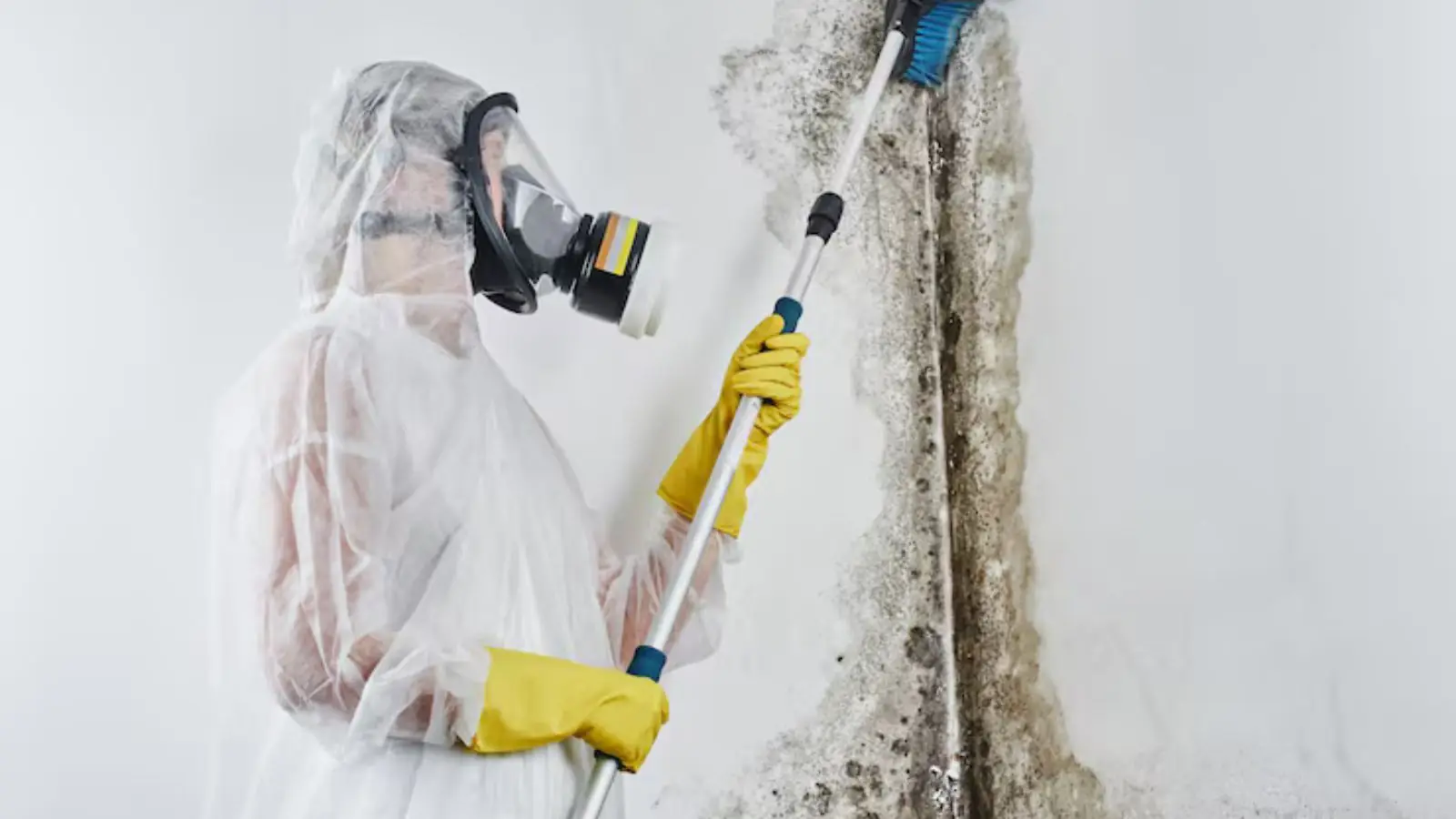
Mold remediation in Tewksbury, MA begins with moisture, not with the mold itself. Mold grows where materials stay wet, which is why most calls we hear start with a leak: a toilet supply line, a bathroom ceiling, an air conditioner condensate line or a roof leak.
Our approach is to find and stop the water, remove growth and the materials it has damaged, and dry the area. We work to the ANSI/IICRC S520 standard for mold remediation, and you can ask any company whether its crews do the same. Questions about health belong to a physician.
Dark spots, a musty smell or a damp closet: where to start
Most homeowners search for the problem, not the trade name. A dark patch in the corner of a bathroom ceiling, a musty smell in a closet, bubbling paint behind furniture or carpet that feels damp underneath are the usual starting points.
Each of those means moisture is present. Remediation is the structured response: find the source, contain the area, remove affected material, clean and dry.
Fix the water first
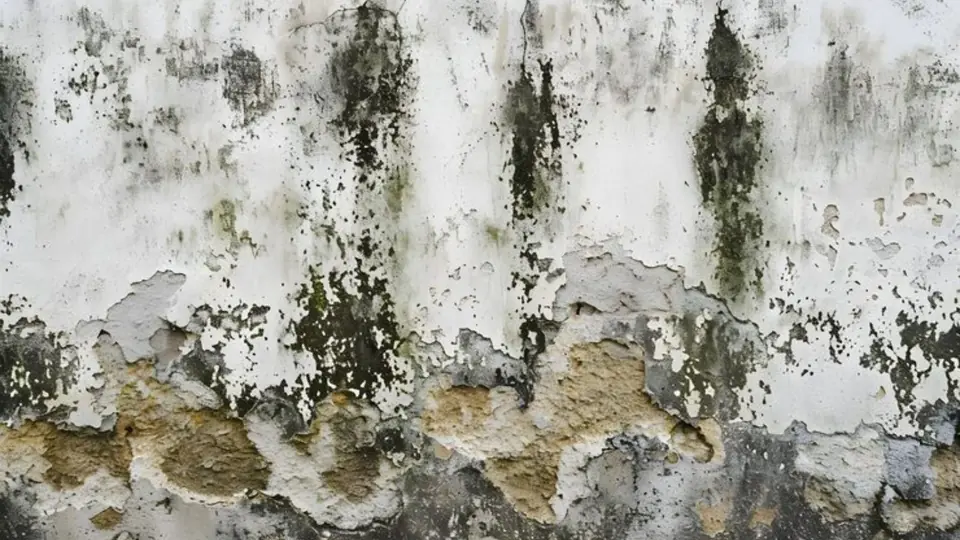
The Massachusetts Department of Public Health says to find the source of water and fix it, or mold will not stop growing. Acute causes include burst pipes and sewer backups, and chronic causes include slow leaks, clogged gutters and humidity.
The same guide says wet areas should be dried completely within 24 hours, and the state housing code requires 48 hours for areas exposed to leaks or floods. If your home was wet for longer, a drying plan from water mitigation belongs ahead of remediation.
When to clean it yourself and when to call
The DPH guide says mold on hard surfaces can usually be cleaned with detergent and water, and that professionals handle mold-affected areas larger than 10 square feet. If you use bleach, mix no more than 1 cup of laundry bleach per gallon of water, and never mix it with ammonia.
Hidden mold behind walls, mold on porous materials such as drywall, insulation or carpet, and any growth across a larger area is a reason to call. People with asthma or a weakened immune system should not do the cleanup themselves.
| Situation | Typical response |
|---|---|
| Small surface patch on tile or sealed surface | Clean with detergent and water, fix the moisture |
| Growth on drywall, insulation or carpet | Remove the material and dry the cavity |
| More than 10 square feet or hidden growth | Professional remediation with containment |
| Recurring smell with no visible source | Moisture mapping to locate hidden water |
Closets, bathrooms and condensate lines
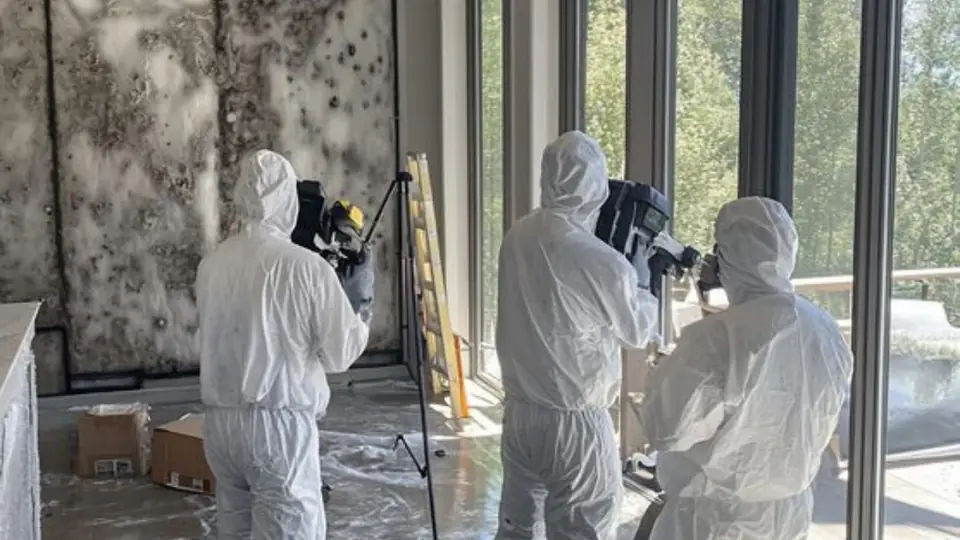
Closets collect mold after a leak above or beside them, especially when furniture blocks airflow. Bathroom ceilings grow it when shower humidity or an exhaust fan problem keeps moisture in.
An air conditioner condensate line that clogs and backs up can soak a ceiling and closet below. We trace the water to its source, because cleaning mold without correcting the line only sets up the next round.
Testing, inspection and clearance for a home sale or loan
The DPH guide does not recommend routine mold testing: if you can see mold, clean it and fix the moisture. Testing comes up for a different reason, when a buyer's lender or a sale contract asks for proof that mold was removed.
In that case an independent inspector or tester, who is not the company doing the removal, can issue a clearance report. We cannot promise that a lender will accept any particular report, so ask the lender what it requires before work starts.
Mold after water damage and basement mold removal
Mold after a flood or leak is a drying problem that was not caught in time. If you are cleaning up now, water damage cleanup covers what to remove first.
Basements are the usual place for chronic mold. Black spots on basement walls come from humidity, seepage or a past flood. Remediation removes the growth and affected materials, and a waterproofing contractor handles any seepage that continues. Restoration is not waterproofing.
Choosing a company and what affects price
Massachusetts does not require a license for mold remediation, according to the DPH guide. Check a company's experience, references and complaint history, ask for a written scope, pay in installments and hold the final payment until you have checked the work.
- Size of the affected area and material types
- Containment and negative air needs
- Hidden spread inside walls or ceilings
- Whether water damage must be repaired as well
- Independent testing or clearance, if requested
Want your real number? Call (978) 252-8637. We explain scope and price before work starts. Sudden and accidental water damage is often covered by insurance, but mold from long-term leaks often is not, so check your policy.
Mold help nearby
We handle mold calls in Andover and Wilmington as well as Tewksbury.
Common questions about mold remediation
According to the Massachusetts Department of Public Health homeowner guide, no. That is why checking experience, references, complaint history and a written scope matters.
The DPH guide does not recommend routine testing. If you can see mold, clean it and fix the moisture. Testing is mostly requested for sales, loans or independent clearance.
No company can promise that. Mold needs moisture, so the lasting protection is fixing the water source and keeping materials dry.
The DPH guide says wet areas should be dried completely within 24 hours, and the state housing code requires 48 hours for areas exposed to leaks or floods.
Mold is rarely an emergency, but the water behind it can be. Dispatch is open 24 hours, and active leaks are handled first.
Yes. Ask your lender or buyer what documentation they require, and consider an independent clearance report.