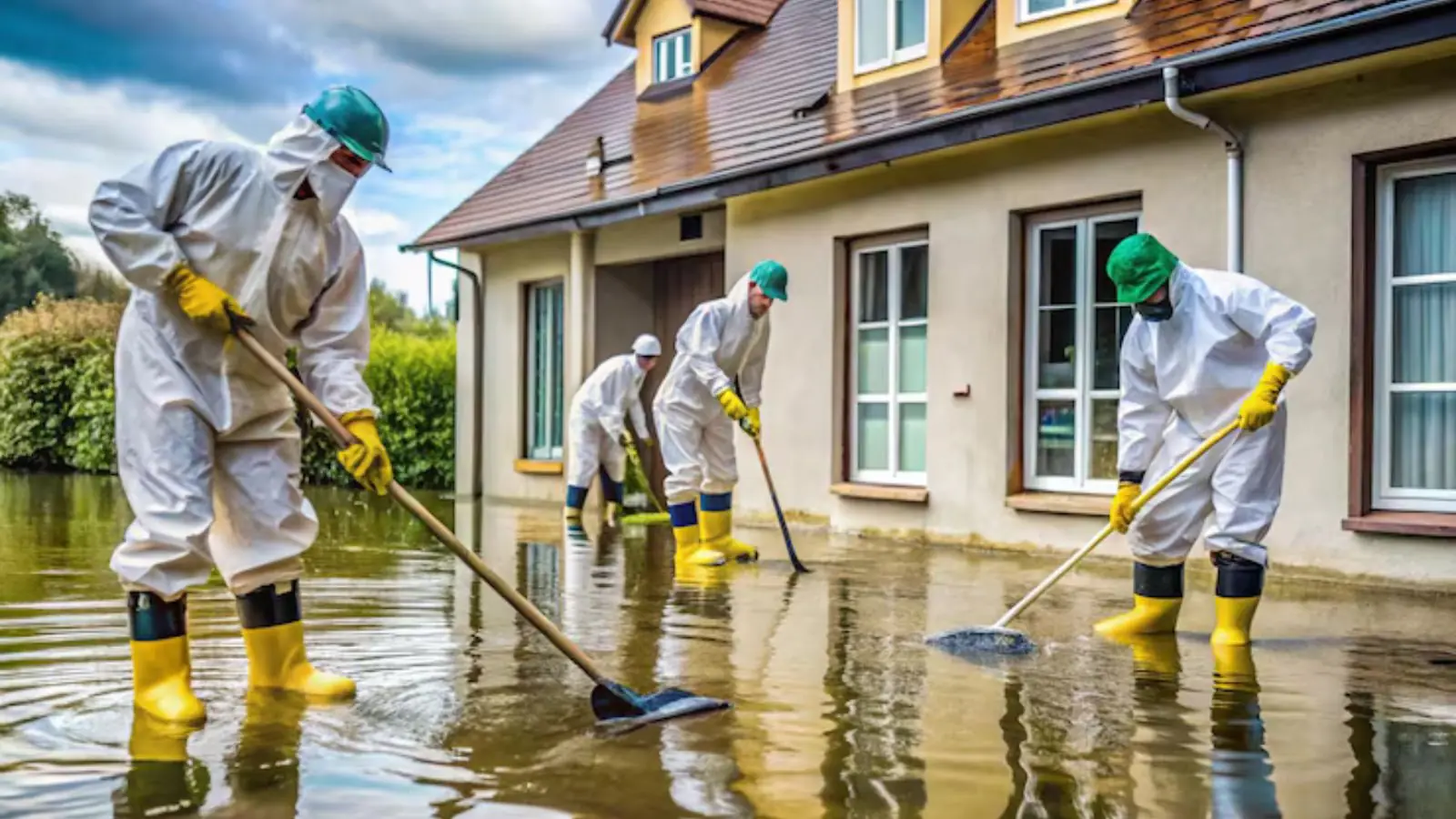
Water damage cleanup in Tewksbury, MA is the work of removing what the water ruined and cleaning what it touched. The first 48 hours matter most, so our 24/7 dispatch line is open at night and on weekends. While you wait, stop the source, keep everyone out of the wet room and lift valuables off the floor. Cleanup is judged by the water category, and ANSI/IICRC S500 is the published standard that defines those categories.
Cleanup sits between water mitigation, which stops the spread and dries the structure, and water damage repair, which rebuilds. It answers a narrow question: what has to leave the house, and what can be saved by cleaning.
What gets removed and what gets cleaned
Not every wet item has to go. The category of water and how long the material stayed wet decide what is salvageable.
| Material | Clean water (Category 1) | Contaminated water (Category 2 or 3) |
|---|---|---|
| Carpet pad | Often removed | Removed |
| Carpet | Can often be dried or cleaned | Usually removed |
| Drywall and insulation | Dried or cut out depending on exposure | Cut out and discarded |
| Hard surfaces and tile | Cleaned and dried | Cleaned and sanitized |
| Upholstery and fabrics | Case by case | Usually discarded |
Category 1 water comes from a clean source such as a supply line. Category 2 carries significant contamination, as from a washing machine or dishwasher discharge. Category 3 is grossly contaminated, as with sewage or river flood water. Clean water can turn into Category 2 as it sits and absorbs what it touches.
Cleanup in the first 48 hours
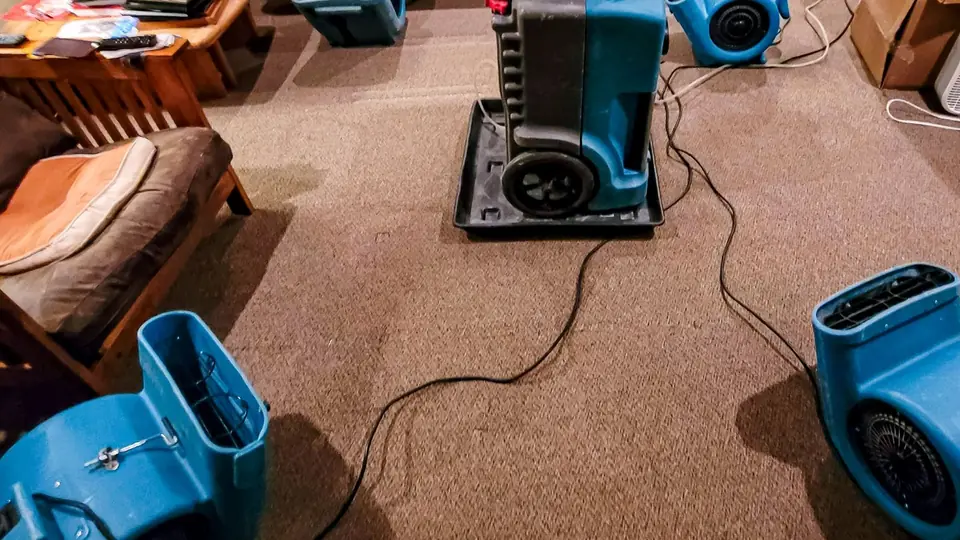
Cleanup that starts quickly keeps more of your belongings. Soaked carpet pad holds water against the subfloor, and wet drywall begins to break down. Taking these out early gives the structure a chance to dry before mold has a foothold.
The Massachusetts Department of Public Health guidance on mold says wet areas should be dried within 24 hours, and the state housing code allows 48 hours for areas exposed to leaks or floods. Cleanup is where those targets are met or missed.
If water came from a sewer or drain backup, or from flood water, stay out of it. Do not wade through it, run a vacuum in it or touch wet materials without protection. Call the Town water and sewer office about a municipal line problem, call 911 about any electrical or gas risk, then call us.
Sanitizing, deodorizing and contents
After materials are removed, surfaces are cleaned with detergent and treated with an antimicrobial where the water category calls for it. Odor often points to moisture left in a cavity, so we check readings before masking a smell.
Contents such as furniture, boxes and electronics are sorted into salvageable and not. We photograph and list items before disposal so you have documentation for your insurer.
What affects the price of cleanup
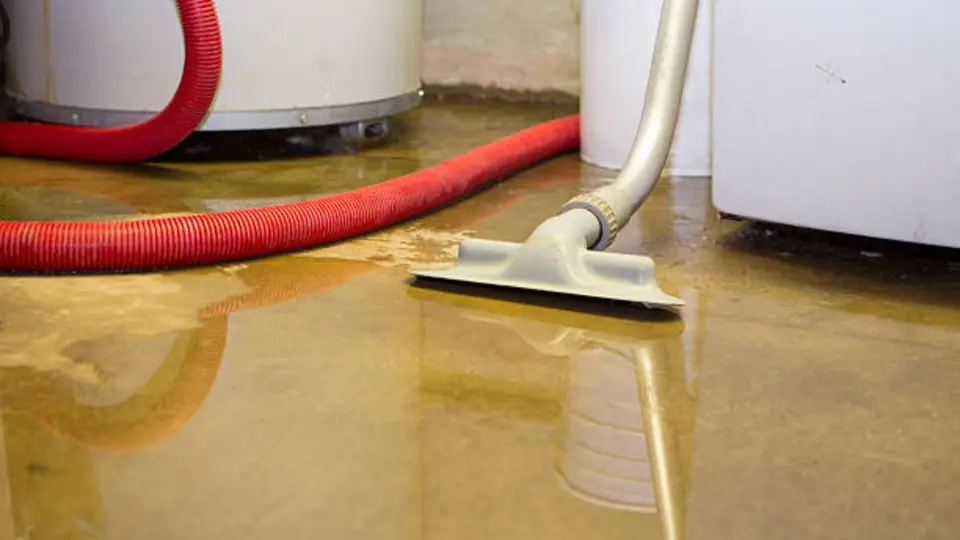
Cleanup pricing follows the amount of removal and the contamination level. A clean-water leak in one room is a different job from a gray-water loss across a finished basement.
- Water category and exposure time
- Area affected and number of rooms
- Materials removed and disposal volume
- Contents handling and pack-out
- Sanitizing or antimicrobial treatment
We explain scope and price before work starts. Call (978) 252-8637 for your real number, and ask for the written scope to send with a claim. Sudden and accidental damage is often covered, but check your policy.
Cleanup in nearby towns
We run cleanup calls in Chelmsford and Billerica as well as Tewksbury. If drying shows hidden moisture or dark growth, read about mold remediation before the walls are closed up.
Common questions about water damage cleanup
Yes. Dispatch is open around the clock. Call, describe the water, and follow the safety steps while the crew is on its way. We do not promise an arrival time.
Mitigation stops the spread and dries the structure. Cleanup removes damaged and contaminated materials and sanitizes what stays. They often happen together on the same job.
Sometimes. Carpet that was soaked with clean water and caught quickly can often be dried or cleaned, while carpet that sat in contaminated water is usually removed. The pad is more often discarded.
Safety comes first. Crews use protective equipment, remove porous materials and sanitize hard surfaces. Stay out of the water and call the utility or 911 for any electrical or gas risk first.
A small clean-water job can take a day. Larger or contaminated jobs take longer, and drying follows cleanup.
Yes. We photograph and list damaged materials and contents and provide a written scope. Check your policy and ask your insurer about coverage.