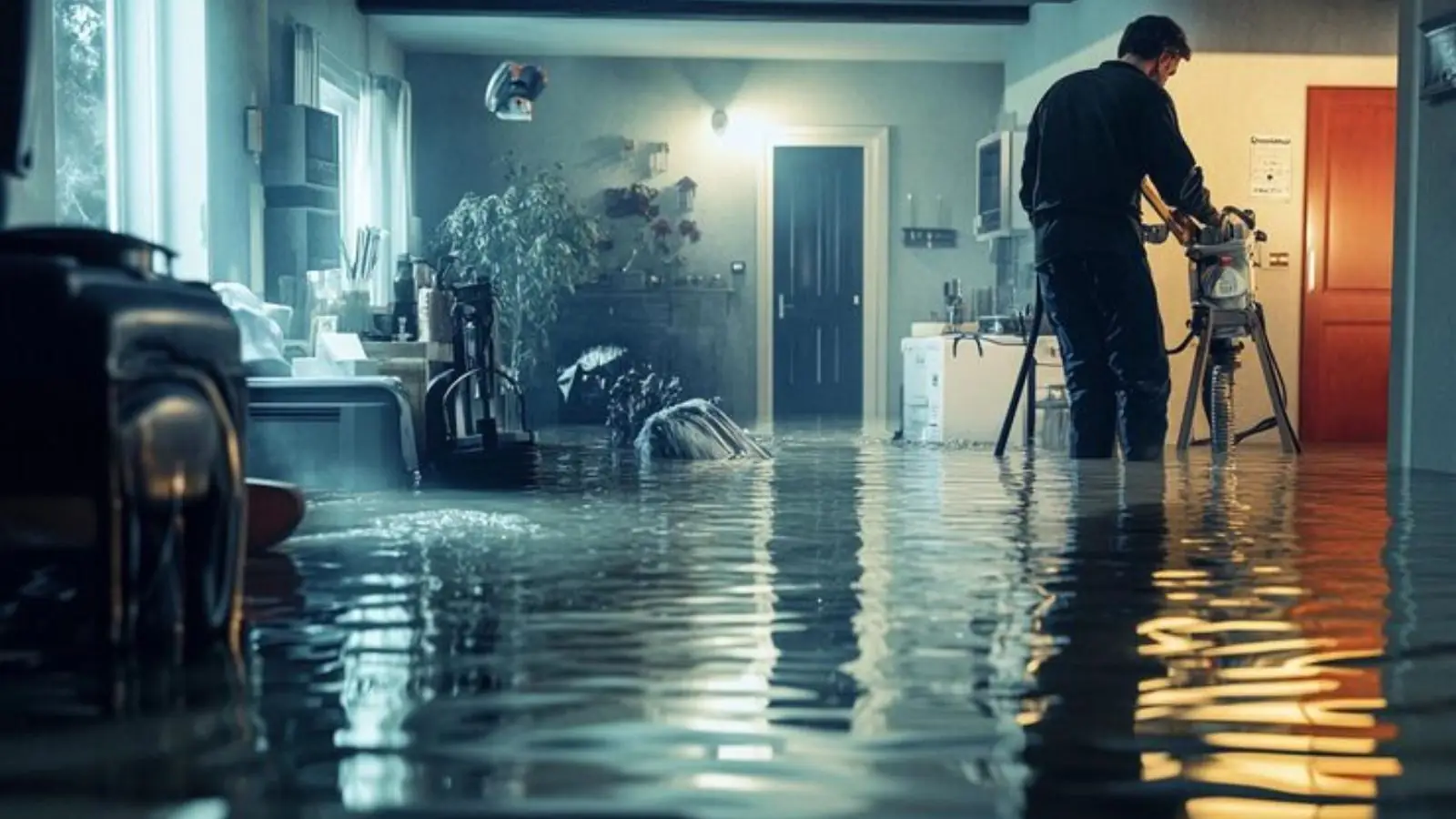
If water is spreading through your Tewksbury, MA home right now, treat it as an emergency. Our 24/7 dispatch line is open every night and weekend. While you wait for a crew, shut off the main water valve, cut power to wet areas only if the panel is dry and easy to reach, lift valuables off wet floors and keep children and pets out of the room.
The published standard for this work is ANSI/IICRC S500, and you can ask any company whether its crews work to it.
Water mitigation is the work that stops the damage from growing. It comes before cleanup and long before repair, and it is built around one idea: remove the water and dry the structure fast enough that most of the building materials survive.
Wet walls, soft floors and a musty smell: what mitigation is for
Most people do not search for mitigation. They search for what they notice: a wall that feels cool and damp, carpet that squishes underfoot, a ceiling stain that keeps growing or a musty smell in a room that was fine last week.
Those are all signs that water is sitting inside materials you cannot see. Water mitigation is the trade name for finding it, removing it and drying the building until readings come back to normal. That is the difference between a room that dries out and a room that grows mold.
When wet materials become an emergency
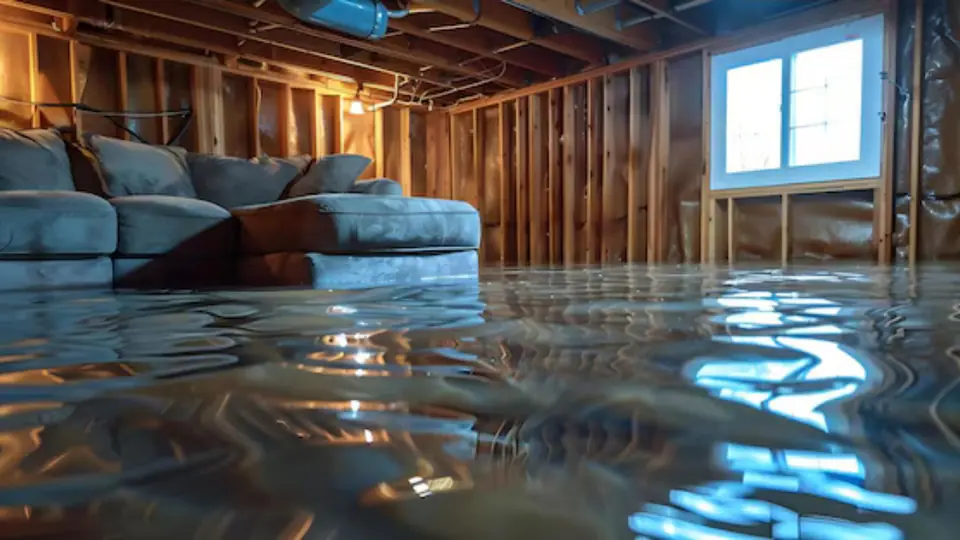
The Massachusetts Department of Public Health says wet areas should be dried completely within 24 hours, and the state housing code requires areas exposed to leaks or floods to be dried within 48 hours. The US EPA also points to 24 to 48 hours as the window for preventing mold growth.
That clock is why we answer at any hour. A burst pipe at 2 a.m. is still a 2 a.m. problem, and waiting for business hours costs drying time.
If water has reached outlets, light fixtures or the electrical panel, stay out of the wet area and call the utility or 911 about any electrical or gas risk before you call us. Do not walk through standing water near live power.
How we mitigate: the working sequence
Stop the source
Close the main or the local shutoff, or confirm the plumber has. Nothing dries while water is still arriving.
Remove standing water
Extraction units pull water from floors and carpet. Fast removal does more for drying than any equipment that follows.
Map the moisture
Moisture meters and thermal imaging cameras show where water traveled behind walls, under floors and above ceilings.
Set the drying system
Air movers push air across wet surfaces and LGR dehumidifiers pull moisture from the air. Equipment placement follows the moisture map.
Monitor until dry
Readings are taken over several days. Equipment comes out only when materials reach their dry target.
Structural drying
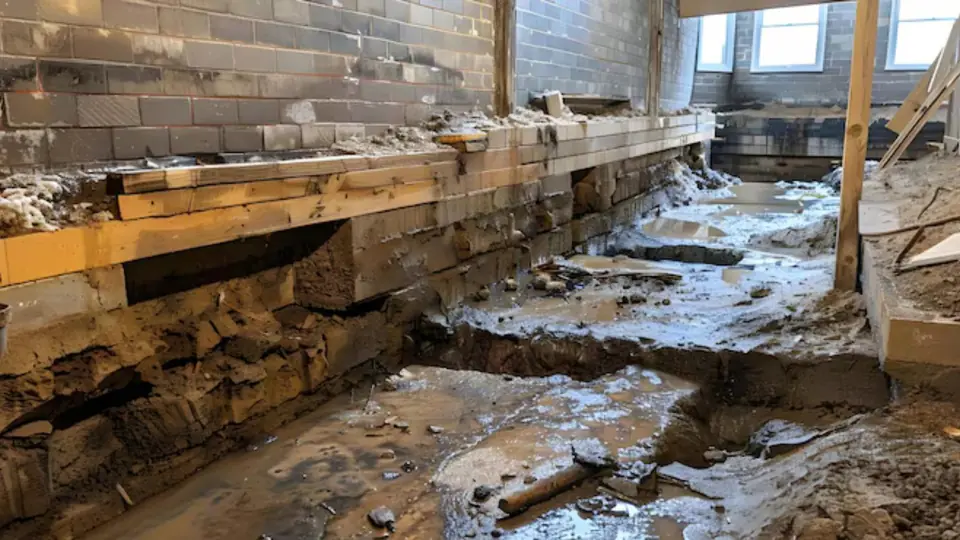
Structural drying is the equipment-heavy part of mitigation, and it is why a crew returns for several days. Wall cavities, subfloors and framing hold moisture long after the surface feels dry, so we measure instead of guessing.
Drywall that stayed wet for a short time can often be dried in place. Insulation, carpet pad and soaked ceiling panels usually cannot, and are removed so the cavity can dry. We explain which is which before anything is removed.
| Equipment | What it does | Where it goes |
|---|---|---|
| Extraction unit | Pulls standing and absorbed water out | Floors, carpet, hard surfaces |
| Air mover | Moves air across wet surfaces to speed evaporation | Walls, floors and ceilings |
| LGR dehumidifier | Removes moisture from the air so drying continues | Central in the affected rooms |
| Moisture meter and thermal camera | Find and track hidden water | Throughout the job |
What affects the scope and price
Mitigation scope is set after an inspection, and the price follows the scope. The same leak can be a one-room job or a whole-floor job depending on how far the water traveled.
- Water category (clean, gray or contaminated) and how long it has been there
- Affected area and the number of rooms
- Material types, from carpet and pad to plaster and hardwood
- Drying days, which set equipment time
- Whether demolition is needed to reach wet cavities
We explain scope and price before work starts. Call (978) 252-8637 to describe the loss, and ask about the written scope for your insurance claim. Sudden and accidental water damage is often covered, but check your policy.
Nearby towns we mitigate in
Crews cover the whole area around Tewksbury. In Lowell, former mill buildings have been adapted into apartments and offices, so a leak can travel between units. In Wilmington, much of the town is built on or still consists of wetlands, which makes basements a priority.
After the water is out and the structure is drying, the next stages are water damage cleanup for contaminated materials and water damage repair for the rebuild.
Common questions about water mitigation
Yes. Dispatch is open 24 hours a day, every day. Call, tell us what happened, and while you wait shut off the main water valve and stay away from wet electrical areas.
Usually several days, because crews take readings and move equipment until the materials reach their dry target. Hidden moisture in framing and subfloors is why a surface that feels dry is not necessarily finished.
We do not offer equipment rentals. Drying equipment only works when it is placed from a moisture map and monitored, so mitigation is done by crews who take readings through the job.
Mitigation is the first stage. It stops the spread and dries the structure. Cleanup and repair follow, and the whole sequence is the restoration.
Sudden and accidental water damage is often covered, and gradual leaks and neglect often are not. Check your policy or ask your insurer, and keep photos and our written scope.
Stop the source, cut power to wet areas only if the panel is dry and reachable, lift valuables, open nothing that spreads contaminated water, and photograph the damage for your records.