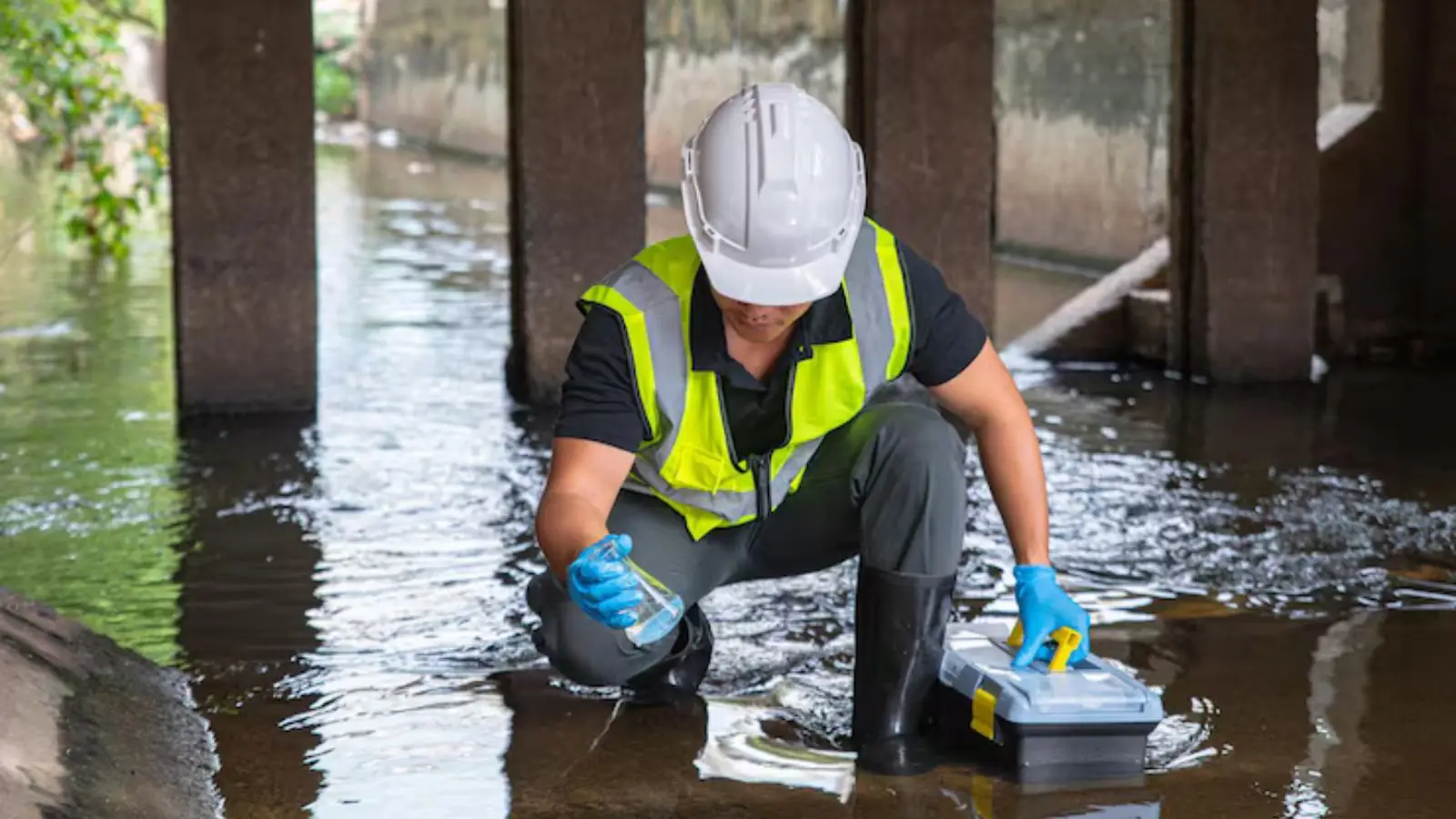
Water damage restoration cost in Tewksbury, MA comes down to scope: how dirty the water was, how much of the house it reached, what it soaked into, and how many days of drying it takes. No honest company can name a final figure before someone has measured the wet area.
This guide lists the factors that move a price and the questions that keep quotes comparable. There are no dollar amounts here on purpose, because a figure on a web page is a guess about a house nobody has seen.
The eight factors that build the price
A restoration invoice is a stack of line items: labor, equipment days and rebuild materials. Each factor below changes one or more of them.
| Factor | Why it moves the price | What to ask |
|---|---|---|
| Water category (S500 Cat 1, 2 or 3) | Clean supply-line water is the simplest to handle. Washing machine or dishwasher discharge (Cat 2) and sewage or river water (Cat 3) add protective gear, more removal of porous material and disinfection steps. | Which category did you assign, and what did you base it on? |
| Affected square footage and number of rooms | More wet area means more extraction time, more air movers and more drying equipment running at once. | How many rooms and how many square feet are in the written scope? |
| Materials that got wet | Carpet pad is usually discarded. Drywall and insulation may be cut out. Hardwood and plaster can sometimes be dried in place, which costs differently than replacing them. | Which materials will you dry, and which will you remove? |
| Drying days and equipment count | Equipment is billed per day, so a three-day dry-out and a five-day dry-out are not the same invoice. | How many pieces of equipment, and how will you prove the structure is dry? |
| Demolition and rebuild scope | Cutting out wet drywall is part of the emergency work. Hanging new board, painting and flooring is a separate rebuild. | Is rebuild included, or is this a mitigation-only scope? |
| Access and time of day | A crawl space, a finished basement or a third-floor unit takes longer to work in. Night and weekend calls can carry different labor rates. | Does the scope change if work happens after hours? |
| Contents | Moving furniture, boxing belongings and handling wet electronics all take labor. | Who handles contents, and is that a separate line? |
How a scope gets written before work starts
A technician walks the wet area with a moisture meter and a thermal imaging camera. Readings go on a sketch of walls, floor sections and ceiling bays, and the scope lists the work in order, with quantities.
That written, itemized document is what protects you. It lets you compare two companies line by line and settles later arguments about whether a wall was supposed to come out. A company that will not put its plan on paper is a warning.
Why a phone quote without a visit is only a range
Water travels. A stain on a ceiling can sit above a wet wall cavity, and a damp carpet can hide a soaked pad and a wet subfloor. Neither shows up in a phone description, so the number given over the phone has to cover the unknowns.
A range is honest. An exact figure from someone who has not looked is either padded or a bait price that grows once a wall is opened. Ask what would move the number, and write down the answer.
Reading a written scope
Find the category
The scope should state Category 1, 2 or 3 and the reason, since that drives removal decisions.
Check quantities
Look for square feet or linear feet of material removed, and a count of air movers and dehumidifiers.
Look for a drying plan
Daily moisture readings and a stated dry standard show the job ends when materials are dry, not when a day count runs out.
Separate mitigation from rebuild
Each should be its own section, so you can approve the emergency work now and decide on rebuilding later.
Cost depends on what the meter finds. Call (978) 252-8637, describe the water source and the rooms involved, and ask for a scope explained in plain terms before you agree to anything.
When to call
Call as soon as water is on a floor you cannot dry with towels and a fan in the same afternoon. The EPA guidance that drying within 24 to 48 hours usually prevents mold is the reason timing matters for cost: wet drywall that is caught early often dries in place, while the same wall left for a week usually gets cut out.
For sewage, a flooded basement, or water near outlets or an electrical panel, stay out of the area and call right away. Those are Category 3 or electrical hazards, not DIY jobs.
Where insurance fits, in general terms
Sudden and accidental water damage is often covered, gradual leaks often are not, and flood usually needs separate coverage. Check your policy or ask your insurer. Our water damage cleanup and water mitigation pages describe the work a scope covers.
What Tewksbury homeowners should know
Rebuild work such as new drywall, electrical or plumbing changes may involve the Massachusetts State Building Code, which the Tewksbury Building Department enforces from its office at 1009 Main Street. The Town does not list which repairs need a permit, so ask the Building Department before the rebuild is priced, and ask your contractor who pulls any permit.
Tewksbury sewer charges are based on water consumption, so a leak that ran through the meter can show up on the sewer side of a bill too. Ask the Town Water and Sewer billing office whether any adjustment applies to your situation, and keep your invoice and meter readings handy when you call.
Our pages for water damage restoration in Chelmsford and water damage restoration in Andover cover neighboring towns where the same scope questions apply.
Common questions about this topic
Only as a range. The number depends on the water category, the rooms involved and what the meter finds inside the walls and floor. Call (978) 252-8637, describe what happened, and expect the crew to ask about the source, the time it has been wet and the materials.
It lists the water category, the rooms and square footage, which materials will be dried and which removed, equipment counts, the monitoring plan and the rebuild items if any. Each line should have a quantity so you can compare it against another company's paper.
Water that soaks into framing, subfloor and plaster leaves slowly. Crews run air movers and LGR dehumidifiers and take moisture readings each visit until the materials meet a dry standard. Equipment days are a large part of the invoice.
No. Some materials, like a lightly wet hardwood floor or a plaster wall, can be dried in place. Others, like wet carpet pad or insulation soaked with Category 2 water, are usually removed. The scope should say which is which and why.
Put the scopes side by side and check category, square footage, equipment count, drying days, and whether rebuild is included. A lower total that leaves out rebuild or monitoring is not a lower price for the same job.
The published standard for water damage is ANSI/IICRC S500. You can ask any company whether its crews work to it and how that shows up in their drying logs and category decisions.
Ask the Tewksbury Building Department at 1009 Main Street. The Town's permit page does not say which repairs need one, so confirm before work begins and ask your contractor who applies through the online permit portal.